

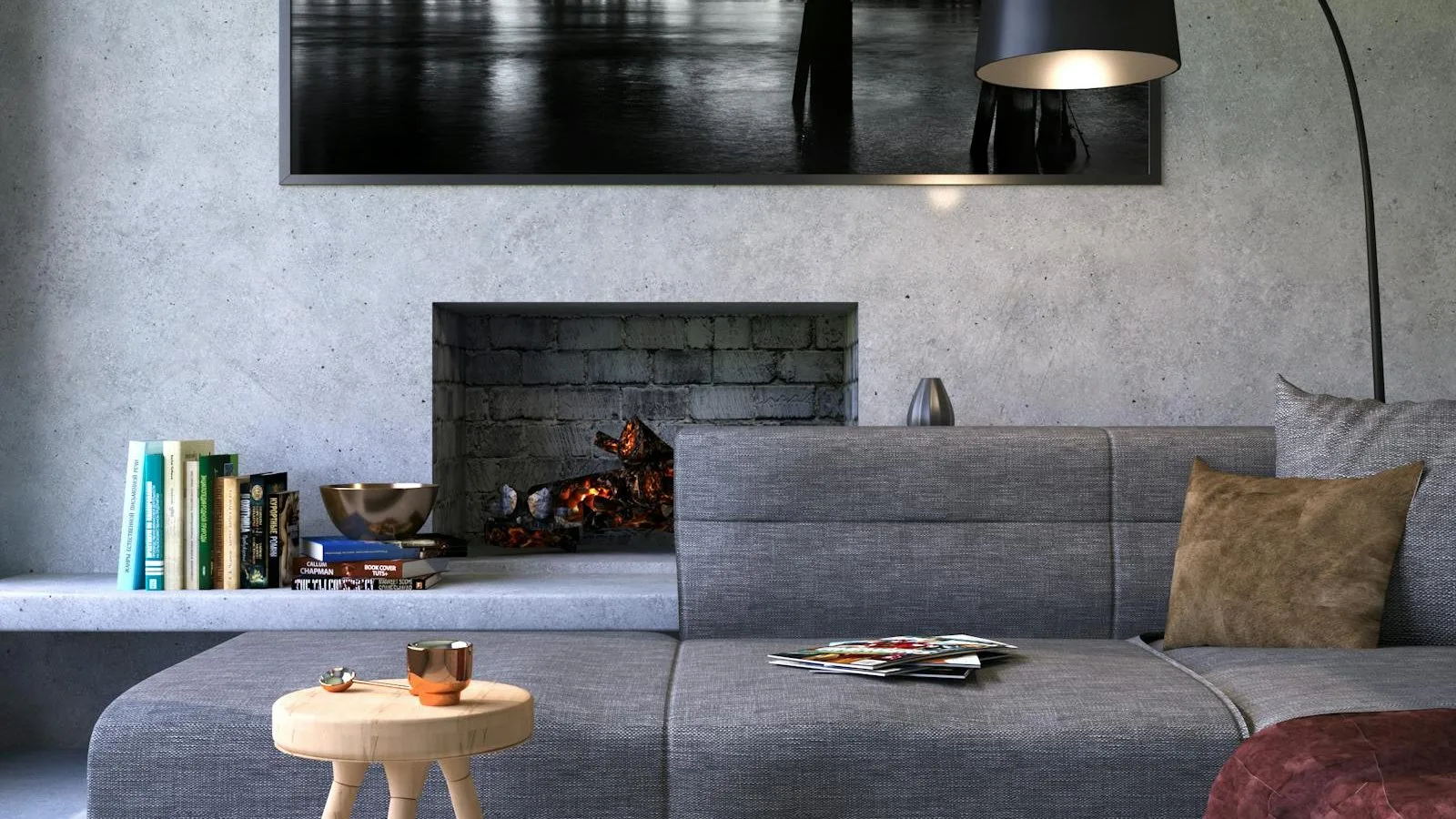
Berlin, Munich and Vienna are three of the most active luxury apartment markets in continental Europe. Each one is also a different design culture. A studio that delivers brilliantly in Berlin can produce something that looks foreign in Munich, and a Vienna sensibility can feel under-detailed in Berlin. For international clients buying or renovating luxury apartments in DACH, understanding the personality of each city is the difference between an apartment that resells well and one that always feels slightly off.
This guide covers the three cities side by side: building stock, aesthetic preferences, typical buyer profiles, budget ranges, sourcing strategy and timeline expectations. It is written for expats and international buyers planning a renovation in 2026.
Berlin: warm minimalism over restored Altbau
Berlin’s luxury apartment stock is dominated by Altbau — pre-war and Wilhelminian-era buildings in Mitte, Charlottenburg, Prenzlauer Berg and increasingly Kreuzberg. The bones are exceptional: 3.2 to 4 metre ceilings, original stucco, herringbone parquet, double-height casement windows. The challenge is the 100 to 130 year old services behind the walls.
The Berlin luxury aesthetic in 2026 is warm minimalism with deliberate texture. Limewash and Marmorino plaster on walls, restored or replicated stucco, oak floors (often replacing damaged original parquet), brass fittings, integrated lighting in coved ceilings, and bespoke joinery in oak or walnut. Bathrooms tend toward natural stone — Travertine, Pietra Serena, soft limestone — paired with German fixtures (Dornbracht, Hansgrohe Axor, Vola). Kitchens are often custom-built with a Gaggenau or Miele appliance package.
Typical buyer profile: tech founders and senior engineers relocating from the US or UK, often buying to stay, frequently in their 30s and 40s with young families. Average apartment size: 130 to 220 m². Average total project budget for an Altbau strip-and-renovate: 380,000 to 950,000 euros. Design fees: 35,000 to 90,000 euros.
Permit timeline in Berlin is currently the longest of the three cities — eight to sixteen weeks for a standard renovation, longer for anything touching the facade or in a listed area (and most prime Altbau is listed). Build this into your overall schedule from the first meeting.
Munich: classical-contemporary with serious craftsmanship
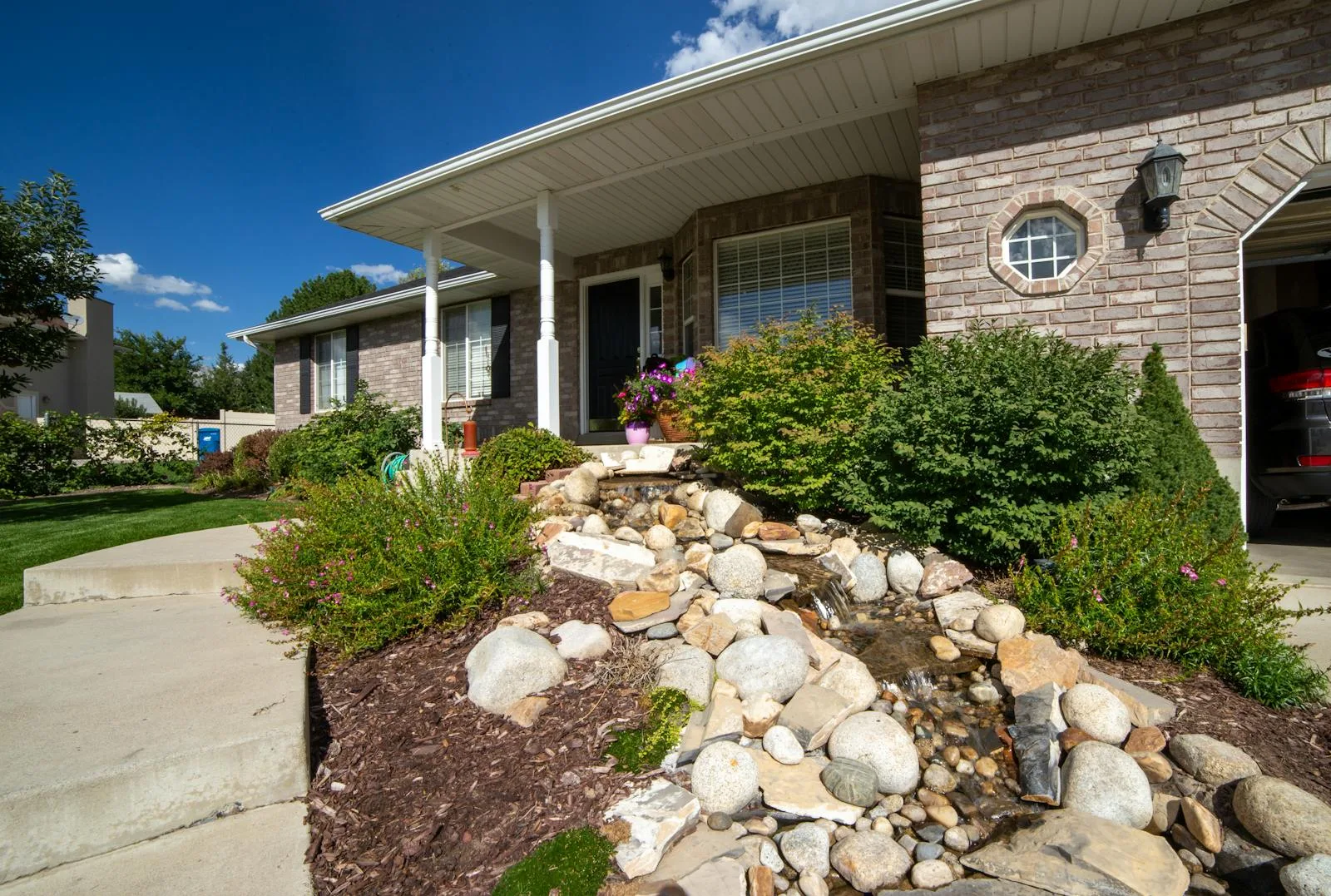
Munich is the most expensive of the three cities and the most conservative in luxury aesthetic. The market expects a higher level of finish than Berlin — bookmatched stone, intarsia detailing in joinery, full-height doors, integrated and concealed services, and material consistency that can take six to ten months to source and execute properly.
Building stock divides between Altbau in central districts (Lehel, Maxvorstadt, Schwabing, Bogenhausen) and high-end Neubau in Bogenhausen, Solln and along the Isar. The Altbau is generally smaller than Berlin’s — 90 to 180 m² rather than 130 to 220 m² — and prices per square metre for the property itself are roughly 35 to 50 percent higher than Berlin.
The Munich aesthetic in 2026 is classical-contemporary: walnut and oak joinery with intarsia detail, natural stone floors and bathrooms (Travertine, Calacatta, Bardiglio), warm white walls, brass and bronze fittings, occasional fabric wall covering in studies and bedrooms. Lighting is heavily integrated, often with dedicated lighting design as a separate workstream. Kitchens are typically German bespoke — Bulthaup, Eggersmann or local cabinetmaker — with full Gaggenau appliance packages.
Typical buyer profile: senior corporate and finance executives, often relocating from London, Zurich or Frankfurt; family-office principals; some tech founders. Average total project budget for a 150 m² renovation: 550,000 to 1,200,000 euros. Design fees: 45,000 to 130,000 euros.
Permit timeline is six to twelve weeks for non-listed renovation. Munich’s planning office is regarded as more responsive than Berlin’s, but listed-building approval can still add several months.
Vienna: traditional craftsmanship, restored to function
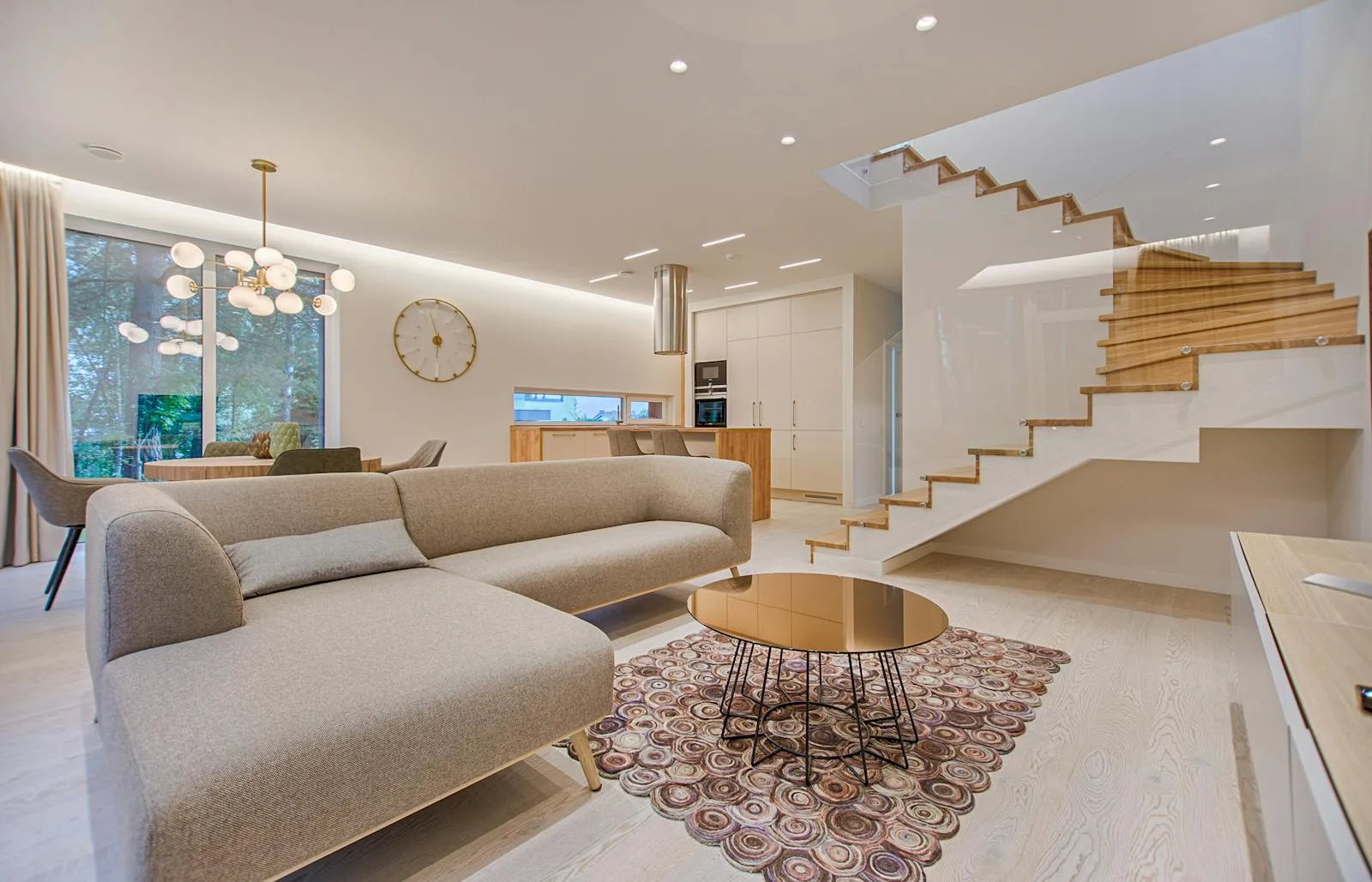
Vienna’s luxury apartment market is dominated by extraordinary Gründerzeit and Jugendstil buildings — particularly in the 1st, 4th, 7th, 8th and 9th districts. Ceiling heights of 3.5 to 4.2 metres are common. Original stucco, parquet (often Tafelparkett) and door frames are routinely worth restoring rather than replacing. The city has a deeper bench of restoration craftspeople than Berlin or Munich, and luxury renovation in Vienna typically leans more on restoration than on intervention.
The Vienna aesthetic in 2026 is the most traditional of the three cities — restored stucco ceilings, repaired or replicated Tafelparkett, fabric wall coverings in formal rooms, brass and bronze fittings, marble and Travertine in bathrooms. Kitchens are often more discreet than in Berlin or Munich, sometimes hidden behind joinery doors. Modern interventions are deliberate and minimal — underfloor heating, new electrics, integrated lighting in restored coving — rather than wholesale modernisation.
Typical buyer profile: family-office and private wealth clients, often from the Middle East or Eastern Europe; senior international civil servants (UN, OSCE, OPEC, IAEA); creative-economy founders. A growing share of Vienna’s luxury apartments are pied-à-terre rather than primary residences. Average total project budget for a 160 m² Gründerzeit restoration: 450,000 to 950,000 euros. Design fees: 38,000 to 110,000 euros.
Permit timeline is six to ten weeks for non-listed work. Listed-building approval (Bundesdenkmalamt) is rigorous and can add three to six months — but it also protects resale value.
Sourcing: local versus international
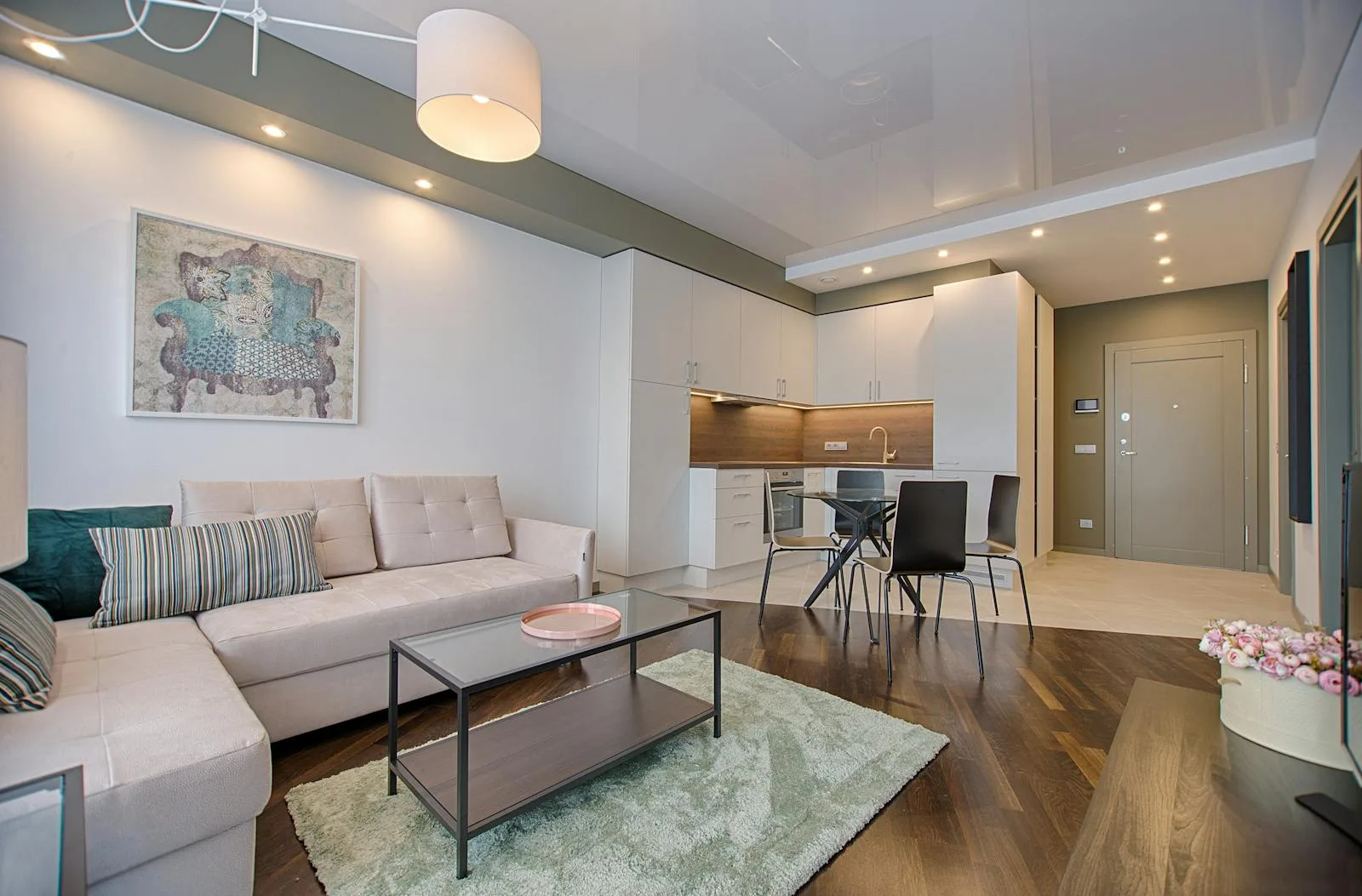
Across all three cities, luxury apartment projects use a similar sourcing pattern:
- Sourced regionally: bespoke joinery, natural stone, plaster, kitchens, doors, windows, sanitary installation
- Sourced internationally within the EU: upholstery (Italian — Minotti, B&B, Flexform, Cassina), lighting (German — Occhio, Tobias Grau, Ingo Maurer; Italian — Flos, Artemide), case goods (Scandinavian and Italian), fabrics (English, French, Italian)
- Sourced beyond the EU: art, certain bespoke pieces, vintage and archive items — but expect import duties and VAT to add 25 to 35 percent
The German Federal Statistical Office and trade bodies confirm strong cross-border furniture flows within the EU; Statista’s German furniture market data tracks the scale. The practical implication for clients is that EU-internal sourcing carries no surprise costs, while non-EU sourcing requires careful budgeting.
Timelines you can plan around
- Berlin: 8 to 14 months total for a 130 to 200 m² Altbau renovation
- Munich: 7 to 12 months total for a 100 to 180 m² renovation
- Vienna: 8 to 14 months total for a 130 to 200 m² Gründerzeit restoration
Across all three, the 3D visualisation and concept phase is typically eight to twelve weeks; technical documentation and tender four to six weeks; permit four to sixteen weeks (running in parallel where possible); construction four to eight months; snagging and handover two to four weeks.
Where international studios fit
For international clients, the question is rarely “local or remote” but “what mix?” The hybrid model — design and 3D delivered remotely, on-site survey and supervision delivered locally — has become standard for luxury apartment projects across all three cities. Multilingual studios from Kosovo, Albania, Portugal and Romania serving DACH luxury clients deliver design quality at parity with local studios at meaningfully lower fees, while local supervision keeps trades and authorities aligned.
Doyenne is a multidisciplinary studio based in Prishtinë, Kosovo, working with international clients on luxury apartment projects in Berlin, Munich, Vienna and Zurich. Our team operates in English, German, Italian and Albanian, and we deliver hybrid projects with full-service design, 3D visualisation, technical documentation and project leadership from our main office, plus on-site supervision through our DACH partner network. If you are buying or renovating a luxury apartment in any of these cities and want a transparent first conversation, book a no-obligation consultation.
Want to see comparable work? Explore our portfolio or read about our full service offering.


