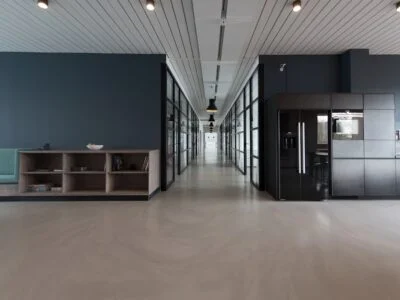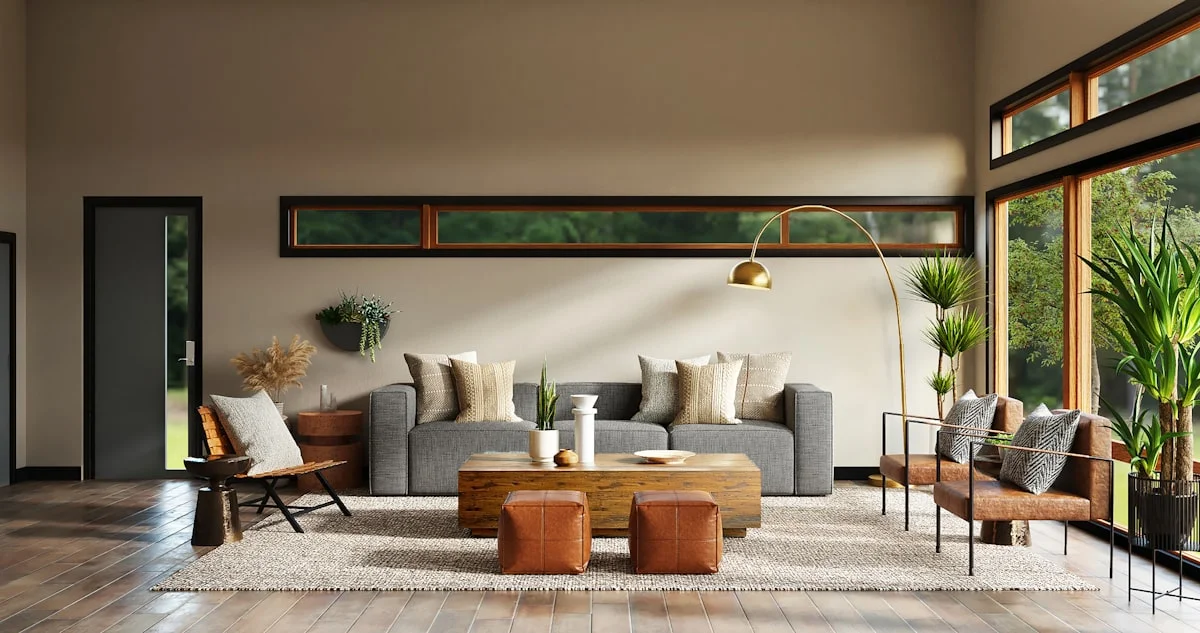
There’s a moment in almost every project where the client sees their space in 3D for the first time. They lean forward. They get quiet. And then the questions start pouring out, not worried questions, but excited ones. “Can we make that wall a shade darker?” “What if we moved the sofa to face the window?” “Oh wait, I love that, don’t change that.”
That moment is exactly why we consider 3D visualization non-negotiable for every project. Not an add-on. Not a premium upgrade. A fundamental part of how good design gets done.
So What Actually Is 3D Visualization?
In simple terms, it’s creating photorealistic digital images and animations of a space based on the architectural plans and design specifications. But that description doesn’t do it justice. Modern 3D rendering can simulate how light bounces off a marble countertop at 3 PM in December, how linen curtains filter morning sun, how a polished concrete floor reflects the glow of pendant lighting at night.
And it goes beyond still images. Virtual walkthroughs let you literally move through your future space, room by room, as if you were already living there. You experience the flow between areas, feel the proportions, notice things that flat floor plans could never show you.
From Pencil Sketches to Something You Can Almost Touch
Architectural visualization has come a long way. What used to be hand-drawn perspectives and basic computer models is now so realistic that people sometimes can’t tell our renders from photographs. Material libraries contain thousands of actual real-world products, specific tile collections, exact paint colors, real furniture models. What you see is genuinely what you’ll get.
This shift has fundamentally changed the design process. It used to be based largely on trust and imagination. “Trust me, it’ll look great.” Now it’s based on evidence. You can see it. Judge it. Change it. All before anyone picks up a tool.
You Get to Live in Your Space Before It Exists
This is the obvious benefit, but it’s worth emphasizing because it changes everything. No more wondering whether that wall color works. No more guessing if the kitchen island is too big or the hallway feels cramped. No more hoping the bathroom layout makes sense.
For people who struggle to read floor plans (and honestly, most people do, there’s no shame in it), 3D renders bridge the gap between the designer’s vision and what the client actually understands. Everyone gets on the same page. Literally.
It Saves You Real Money
Here’s where it gets practical. Changes during construction typically cost five to ten times more than changes during the design phase. A wall that needs to move, a countertop material that doesn’t look right in person, a bathroom that’s awkward to use. These are expensive fixes.
3D visualization catches these problems when they cost nothing to fix. We had a project last year where the client saw the dining area in the render and immediately said, “That table is going to block the kitchen flow.” She was right. We adjusted the layout in about twenty minutes. If that had been discovered after the flooring was laid and the custom table was ordered? We’re talking weeks of delay and thousands of euros.
Materials Look Completely Different at Full Scale
This is something people don’t think about enough. You pick a tile from a tiny sample at the showroom. Looks perfect. Then it goes on your entire bathroom wall and suddenly it’s overwhelming. Or that paint color that seemed warm under store lighting feels completely cold in your north-facing bedroom.
3D renders show materials at full scale, in your actual space, under your actual lighting conditions. You can test three different kitchen backsplashes side by side in minutes instead of agonizing over samples for weeks. And you can see how everything looks at different times of day, morning light versus evening, overhead lighting versus natural.
Walking Through Changes Everything
A still image shows you what a room looks like from one angle. A virtual walkthrough lets you move through the entire home. Walk in through the front door. Turn left into the hallway. Step into the kitchen. Look out the window. The spatial understanding you get from this is on a completely different level.
We use these walkthroughs in every client presentation, and watching people experience their future home for the first time is genuinely one of the best parts of our job. The reactions are always real because the experience feels real.
Everyone Speaks the Same Language
One of the underrated benefits of 3D visualization is how it improves communication between everyone involved. Clients can give specific, confident feedback instead of vague “I’m not sure about that wall” comments. Contractors understand exactly what the design intent is. And designers can explain complex spatial ideas without drowning anyone in technical jargon.
When everyone can literally see the same thing, misunderstandings drop dramatically. And fewer misunderstandings means fewer mistakes on site.
When’s the Right Time for 3D Renders?
The sweet spot is after the floor plan is locked down but before construction documents are finalized. At that point, the design is developed enough to render accurately, but still flexible enough to adjust based on what the visuals reveal. Going earlier wastes effort on a layout that might change. Going later defeats the purpose.
How It Works at Doyenne
For us, 3D visualization isn’t a separate service you add on. It’s baked into every project. After we develop the spatial layout and narrow down materials, our visualization team produces photorealistic renders of every key space. We sit down with the client, walk through everything together, and refine whatever needs adjusting. Only after the visual direction is approved do we move into construction documentation.
It’s not the fastest way to work. But it’s the way that produces the best results and the fewest surprises. And after 230+ projects, we’re pretty confident in that approach.
Want to see what your project could look like before construction begins? Let’s talk about it.