Most “interior design trends 2026” lists are written by magazines predicting the future from press releases. This one is written from a different source: the actual client briefs, supplier orders, tender packs and 3D approvals running through a working European studio. The trends below are the ones with real demand signals behind them — what high-end clients in Berlin, Munich, Vienna, Zurich and London are actually specifying in 2026, not what next month’s magazine cover predicts.
1. Warm minimalism with deeper materials
The dominant aesthetic continues to be minimalism — restrained palettes, clean lines, integrated services — but the material vocabulary has deepened materially since 2023. Flat white walls and PVC-finish oak are out. Lime-based plaster, real natural stone, hand-finished oak and walnut are in. The clients asking for minimalism in 2026 want quiet rooms made from honest materials, not commercial blandness.
Demand signal: roughly 70 percent of luxury residential briefs we receive specify natural materials by category in the first conversation, up from roughly 40 percent three years ago.
2. Natural stone returns to the centre
Natural stone — particularly Travertine, limestone, Pietra Serena, Calacatta, Bardiglio — is replacing porcelain stoneware in luxury bathrooms, kitchens and feature walls. The price gap has narrowed as quarry logistics improved and porcelain quality plateaued. For high-end clients, the difference in physical material is increasingly worth the premium.
Demand signal: stone slab orders for Italian and Croatian quarries supplying central Europe rose meaningfully through 2024 to 2025, with continued growth into 2026 according to industry reporting; Statista’s European natural stone industry data tracks the broader market.
3. Limewash and lime plaster walls
Marmorino, Tadelakt, classic limewash, and contemporary lime renders are being specified in living rooms, bedrooms and bathrooms across European luxury work. The texture, depth and natural variation of lime-based finishes give walls a presence that flat paint cannot match. The cost premium over high-end paint is roughly 30 to 80 percent depending on technique.
Demand signal: roughly 40 percent of our luxury residential projects in 2025 to 2026 include lime-based wall finishes in at least one main room.
4. Bespoke joinery resurgence
Built-in wardrobes, dressing rooms, libraries, integrated entertainment walls, and concealed kitchens are being specified more often and with higher specification than at any point in the last decade. The driver is partly the rise of smaller, more expensive luxury apartments where every centimetre matters, and partly the rejection of modular furniture that looks the same in every Instagram post.
Demand signal: bespoke joinery now represents 18 to 30 percent of total project cost in our luxury residential work, up from roughly 10 to 15 percent five years ago.
5. Acoustics-first design
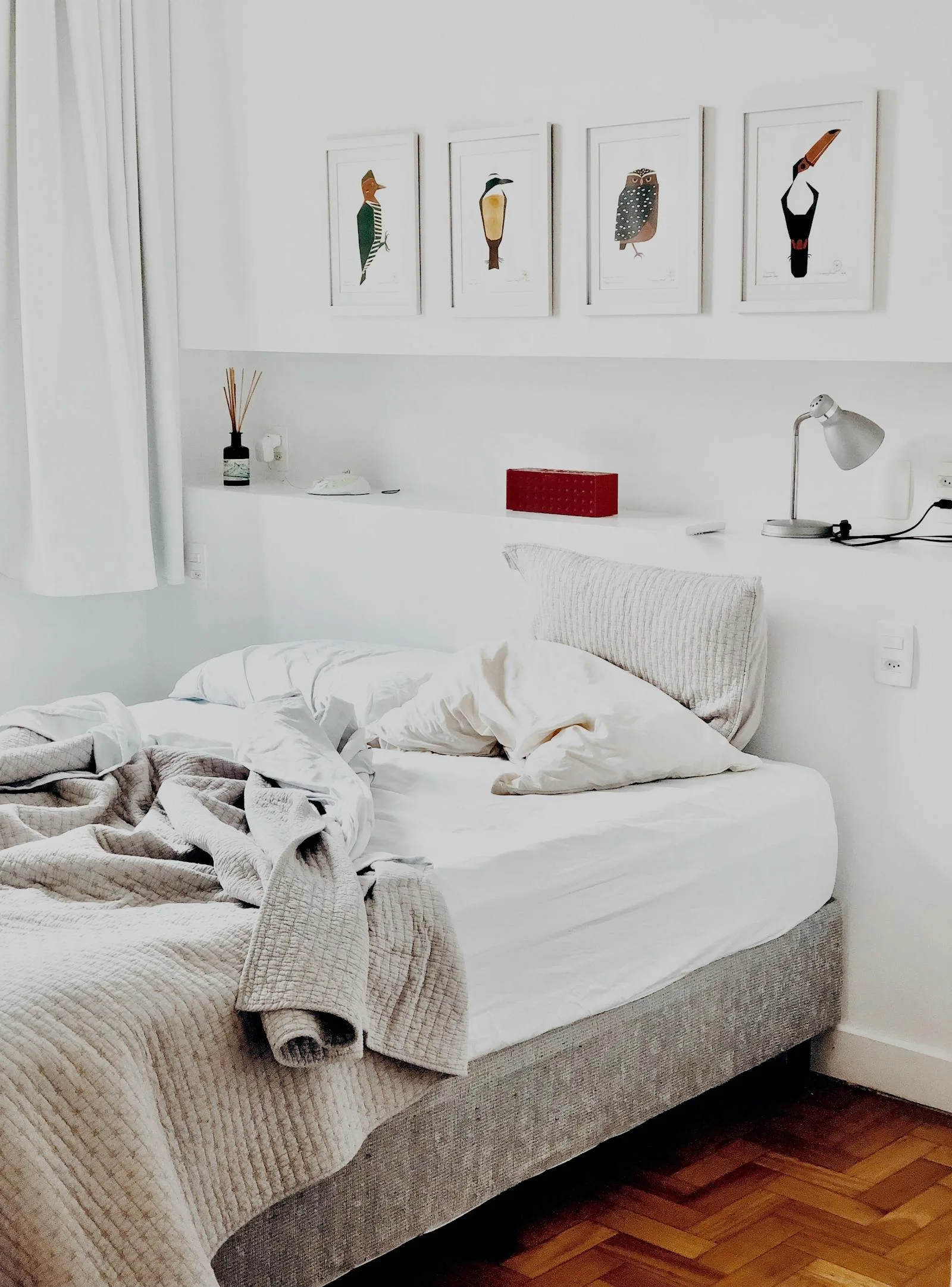
Acoustic comfort is now requested by name in roughly half of luxury residential briefs. Open-plan layouts, hard surfaces, glass facades and remote working all combine to produce living spaces that sound harsh without intervention. The 2026 specification has moved beyond “use a rug” toward integrated acoustic plaster ceilings, perforated joinery panels, upholstered headboard walls and acoustic curtains.
Demand signal: acoustic specifications appearing in roughly 50 percent of briefs in 2026, up from roughly 15 percent in 2022.
6. Biophilic integration as baseline
Biophilic design has graduated from trend to baseline expectation. Clients no longer specify “biophilic” by name; they assume natural light optimisation, integrated planting where building structure allows, natural materials throughout, and visual or physical connection to outdoor space. The 2026 conversation is about execution sophistication, not whether to do it.
Demand signal: biophilic features are now in over 80 percent of our luxury residential projects, regardless of whether the client used the term.
7. Earth tones over neutrals
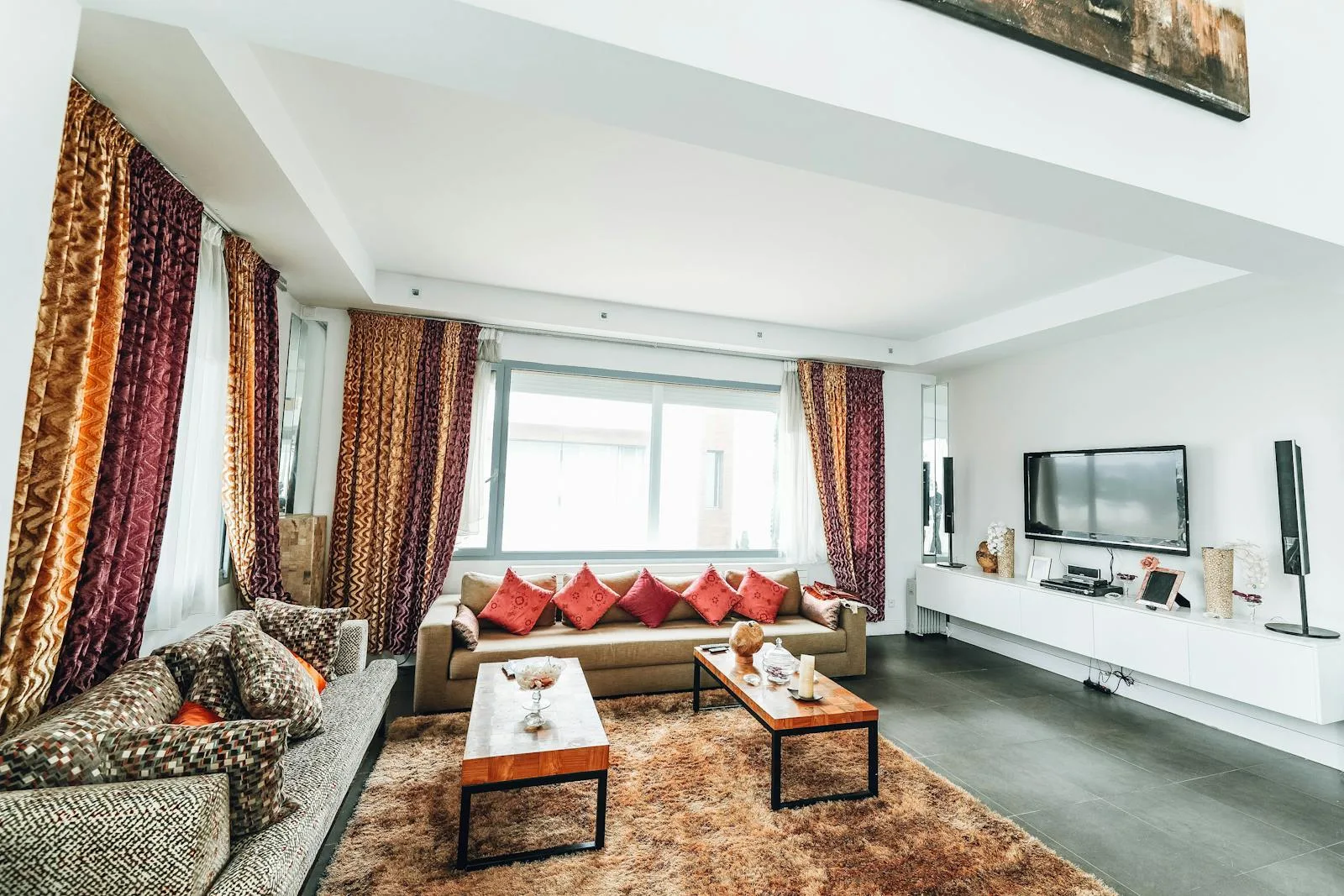
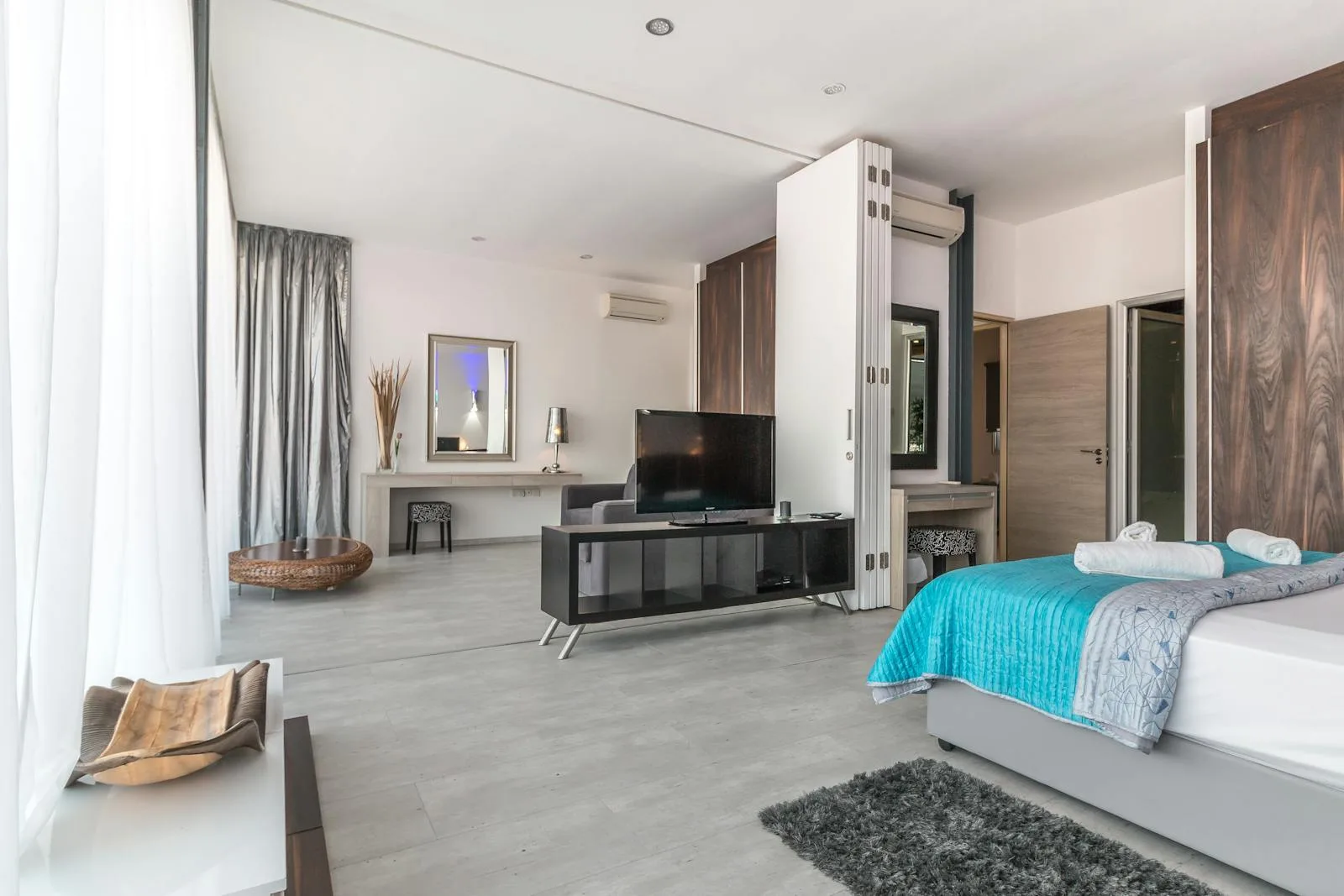
Pure greys and pure whites are quietly losing ground to warm earth tones — clay, terracotta, sand, ochre, soft browns, deep greens, muted burgundies. The shift is most visible in upholstery, curtains, kitchen joinery and bathroom stone selection. The aesthetic feels softer, lived-in and more material-driven than the cool grey palettes of 2018 to 2022.
Demand signal: 60 to 70 percent of mood boards approved by clients in 2025 to 2026 are dominated by warm earth tones; cool grey schemes have dropped sharply.
8. Archive and vintage pieces
Italian and Scandinavian mid-century pieces, French 1970s upholstery, restored antique pieces with provenance — vintage and archive sourcing is appearing in luxury briefs at meaningful frequency. The drivers are aesthetic differentiation, sustainability, and increasingly investment value. Vintage pieces in good condition appreciate; new upholstery typically does not.
Demand signal: roughly one in three luxury residential projects now includes at least three vintage or archive pieces sourced through the studio.
9. Colour-drenched rooms (in moderation)
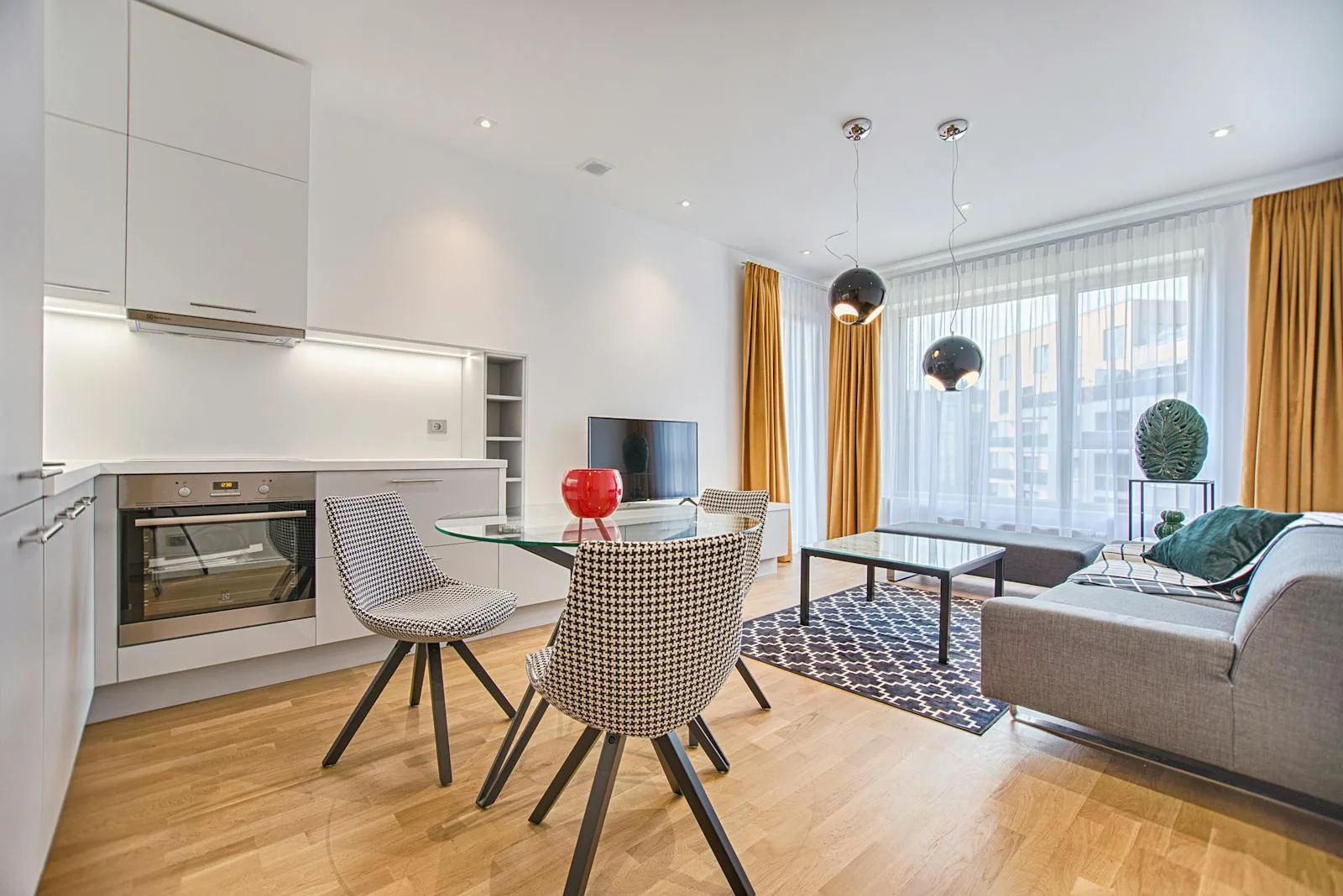
Single saturated colour applied to walls, ceiling, joinery and trim — the colour-drench technique — is appearing in studies, libraries, powder rooms and occasionally dining rooms across European luxury work. Living rooms and primary bedrooms remain neutral. The 2026 expression is “one room of intensity, the rest restrained” — not the whole-house colour drench that briefly appeared in 2023.
Demand signal: roughly 25 percent of luxury residential briefs in 2026 include at least one colour-drenched room.
10. Curved architecture as punctuation
Curved walls, arched openings, rounded joinery edges, serpentine sofas — the curve trend continues but with more restraint. In 2023 to 2024 it appeared as a whole-room statement; in 2026 it appears as one or two architectural elements punctuating an otherwise rectilinear plan. The discipline is what makes it look intentional rather than decorative.
Demand signal: roughly 40 percent of luxury residential projects in 2026 include at least one curved architectural element; whole-room curve schemes are now rare.
What the trends share
Read the ten back to back and the underlying direction is clear: clients are asking for quieter, warmer, more material-driven, more crafted, more enduring interiors. The decade-long shift from cool minimalism toward warm minimalism is now mature. The new layer is restraint with depth — fewer statements, better materials, longer-lasting decisions. The studios that deliver against this direction are the ones whose work will still look right in 2032.
Doyenne is a multidisciplinary studio based in Prishtinë, Kosovo, working with private and commercial luxury clients across Kosovo, Albania, Germany, Austria, Switzerland and beyond. Our 2026 portfolio reflects every trend above, executed with the materials, joinery and supervision discipline that separate enduring projects from briefly fashionable ones. If you are planning a project and want a frank conversation about which trends fit your brief and which do not, book a no-obligation consultation.
Want to see comparable work? Explore our portfolio or read about our full service offering.