Relocating to Europe is a project in itself. Finding the apartment, navigating the lease or purchase, importing furniture, dealing with utilities and authorities — it is exhausting before you even think about how the space should look. For most expats, hiring an interior designer is the moment everything either becomes manageable or becomes a much bigger problem. This guide is written for international clients moving to Berlin, Munich, Vienna, Zurich and other major European cities, with concrete numbers, structural advice, and the things nobody tells you until after you have signed something.
Why expat interior design projects are different
Hiring an interior designer at home is mostly a question of taste and budget. Hiring one in a country you barely know adds three layers: language, culture and bureaucracy. Each layer adds risk and time, and each is something a good studio handles for you — or fails to. The studios that thrive on expat work treat the project as a relocation service, not just a design service.
The other structural difference is timing. Most expats start looking for a designer with a hard deadline — the lease begins on a fixed date, the school year starts in September, the relocation package expires. Local clients can wait six months for the right studio. Expats often cannot. This pressure is exactly what some studios exploit.

The language gap and how to manage it
In the major DACH cities, almost every senior designer at a serious studio speaks good English. The problem is below them. Site managers, electricians, plumbers, joiners, kitchen fitters, building administrators (Hausverwaltung), municipal inspectors and most material suppliers do not. Your beautiful renderings have to be translated into a language tradespeople understand and a culture they trust.
Three things to insist on before you sign:
- A single named project lead who is fluent in your language and the local one, attends every site meeting, and is accountable for translating decisions accurately
- All written communication in English as standard — contracts, change orders, payment requests, meeting minutes — with the local-language version attached for legal validity
- Weekly progress reports in English with photos and outstanding-decision lists, so nothing happens at the building site that you do not see within seven days
Cultural aesthetic differences you should expect
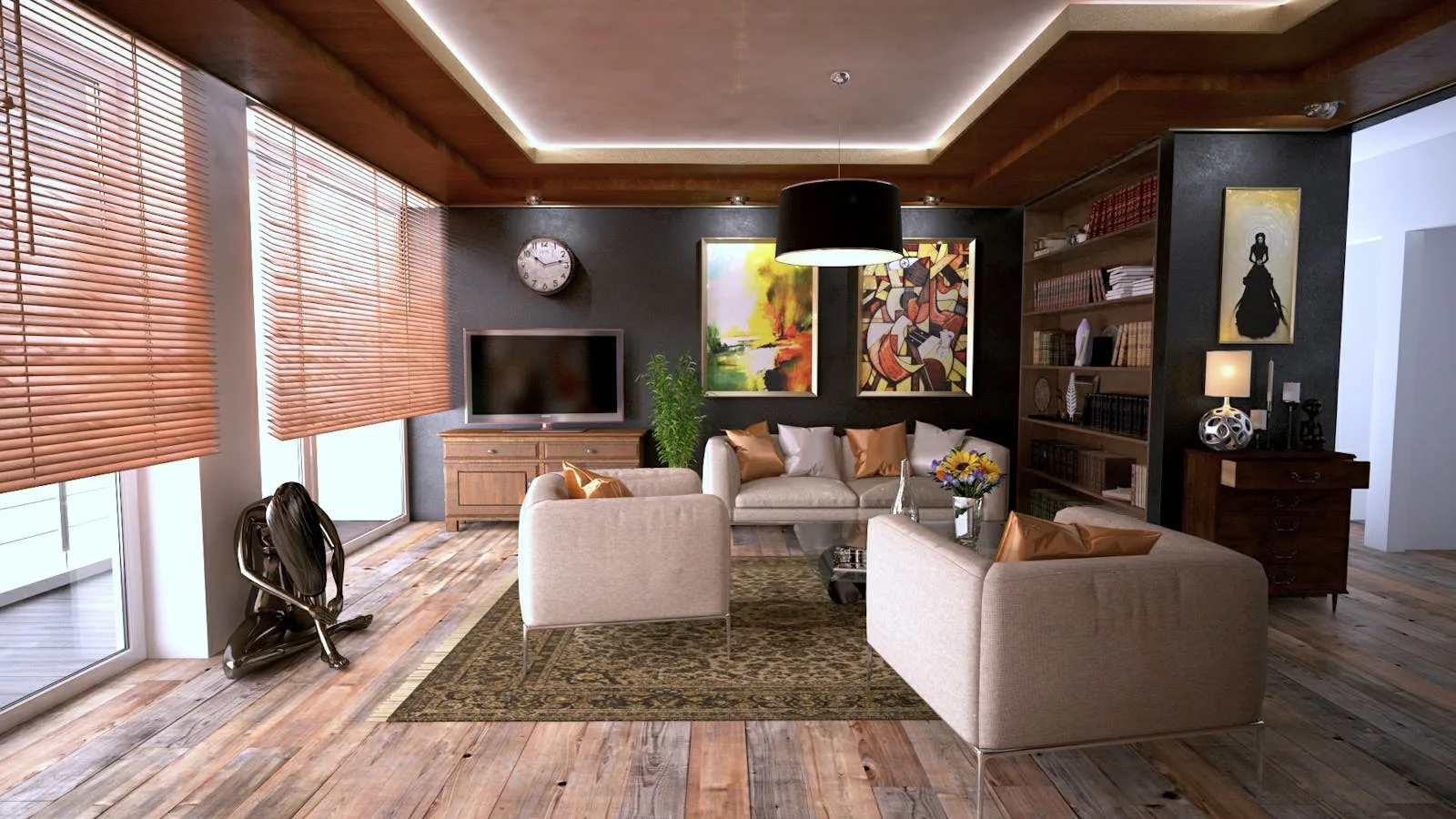
European luxury design is not American luxury design. If you are coming from the US or the Middle East, expect a quieter, more material-driven aesthetic. Less gold and onyx, more oak and limewash. Smaller kitchens with very high-spec appliances rather than oversized open plans. Bedrooms that are smaller than what you are used to but with built-in joinery that uses every centimetre. Bathrooms with European fixtures (Hansgrohe, Dornbracht, Vola) that are exceptional but unfamiliar.
UK clients moving to the continent face the opposite shift: less pattern, less colour drenching, less of the maximalism currently popular in London townhouses. German, Austrian and Swiss luxury skews toward warm minimalism with an emphasis on craftsmanship — bespoke joinery, natural stone, hand-finished plaster. A good designer will not impose a style; they will translate yours into materials and details that work in the local market.
Permits, building rules and the bureaucracy nobody warns you about
Even cosmetic renovation in a European apartment block usually requires permission from the building management (Hausverwaltung in Germany and Austria, Verwaltung in Switzerland). Working hours on site are restricted by law — typically 8:00 to 17:00 weekdays, often no Saturdays, and never Sundays or public holidays. Noise complaints from neighbours can stop a build cold.
Anything structural — moving a wall, replacing electrical circuits, changing plumbing routing, altering windows — requires a building permit. In Germany this is a Bauantrag, processed by the local Bauamt; in Austria a Baubewilligung; in Switzerland a Baugesuch. Processing times run six to sixteen weeks even for straightforward applications. Listed buildings (Denkmalschutz, Heimatschutz) can take much longer and have material restrictions you must design around from day one.
According to Statista’s German construction permit data, residential construction permits in Germany have averaged 100,000 to 300,000 units per year over the last decade, and processing capacity in the larger cities is regularly stretched. Build the permit timeline into your overall schedule from the start.
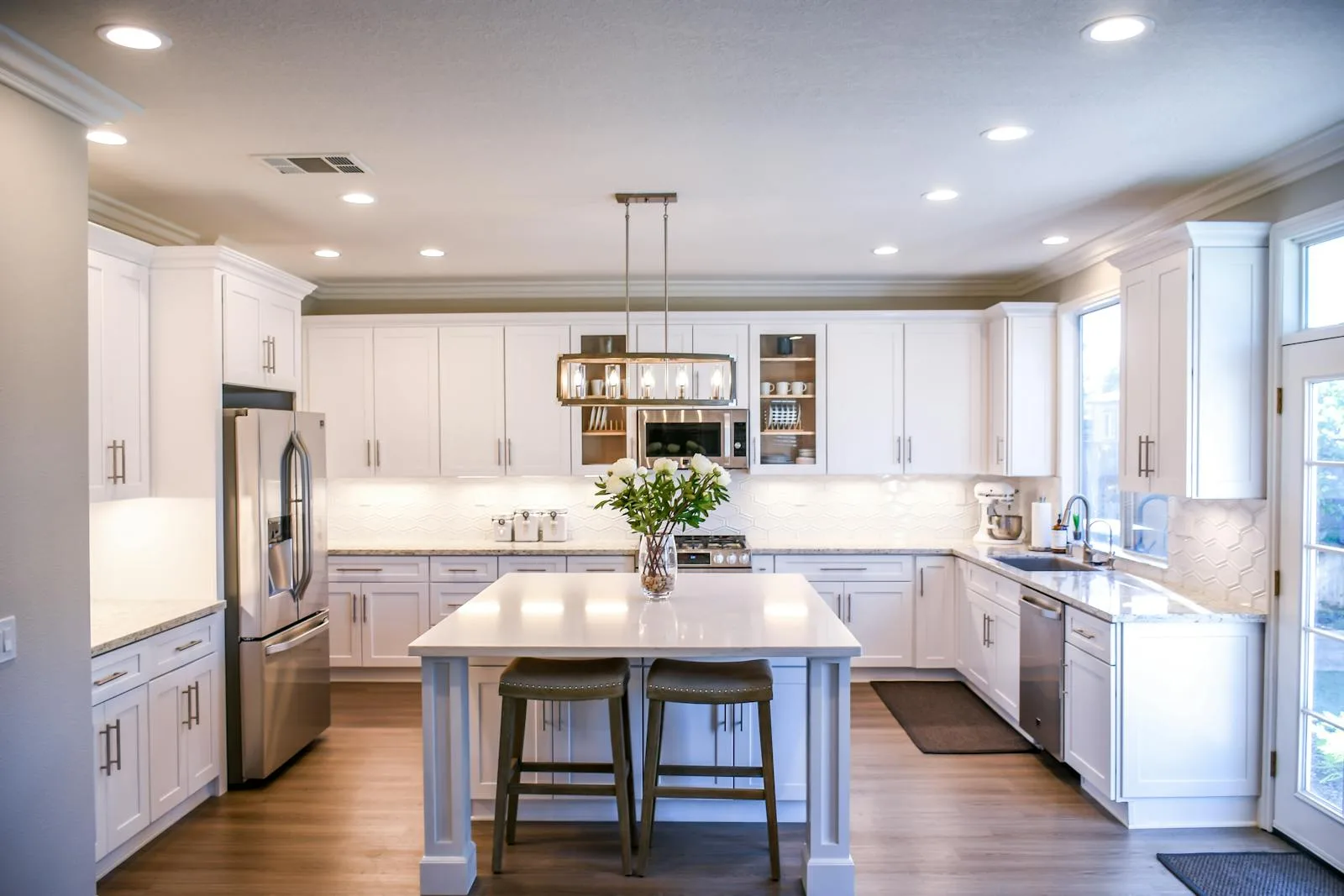
Three typical expat project types
1. Relocation setup (3 to 6 months)
You have signed a 2 to 5 year lease or are renting while you look to buy. The project is functional: livable in 90 to 120 days, fully fitted in 6 months. Scope is light cosmetic work, full furnishing, art, soft finishings. Design fees typically 8,000 to 20,000 euros. Furniture and finishes 40,000 to 120,000 euros. The studio’s job is to take the relocation pain off your hands.
2. Short-lease decoration (4 to 10 weeks)
You will be in the city for 12 to 24 months and want it to feel like home without major investment. Scope is purely furniture, lighting, textiles and accessories. Design fees 3,500 to 8,000 euros. Furnishings 15,000 to 50,000 euros. Look for studios that offer a “turnkey rental” or “diplomatic relocation” service — they have done this before.
3. Permanent purchase renovation (6 to 14 months)
You have bought an apartment or house and intend to stay. This is a full-service renovation: structural changes, new bathrooms and kitchen, bespoke joinery, the full programme. Design fees 25,000 to 70,000 euros. Construction and finishings 1,800 to 4,500 euros per square metre depending on city and standard. This is where the studio’s permit handling, contractor management and on-site supervision matter most.
Builder and contractor relationships in Europe
European trades work differently from US or UK trades. They are typically smaller crews — often a master craftsman with two or three apprentices — booked weeks or months in advance. They will not start a job they think is badly planned. They expect technical drawings before they quote. They will refuse to deviate from those drawings without a written change order. This is not obstruction; it is how the system works, and it is one reason European craftsmanship is what it is.
Your interior designer is the bridge. They translate your wishes into the technical language trades expect, run the tendering process, hold contractors to the quoted scope, and manage the inevitable on-site decisions. Without that bridge, expat clients regularly end up paying double — once for design, once again because the trades had to redesign on the fly.
Payment structures that protect you
Standard European payment structure for design fees:
- 20 percent on contract signing
- 30 percent on concept and 3D visualisation approval
- 30 percent on completion of technical documentation
- 20 percent on practical handover
For construction, demand a payment schedule tied to verified milestones — not calendar dates. Common milestones: demolition complete, first-fix complete (electrical rough-in, plumbing rough-in, plastering), second-fix complete (kitchens fitted, sanitary installed, doors hung), snagging complete, handover. Each payment is released only after a joint inspection signs off the milestone. Avoid front-loaded schedules: if the contractor wants 60 percent in the first month, walk away.
How to avoid the expat tax
The expat tax is real and rarely talked about. It is the unwritten premium some studios and contractors add to quotes when they hear a foreign accent, see a non-EU passport, or learn the budget came from a relocation package. The premium ranges from 15 to 30 percent. The fix is structural, not adversarial:
- Always get three competing written quotes for design fees and three for construction
- Ask each studio in writing for their typical fee per square metre and their typical project budget range
- Demand itemised material schedules with brand, model and unit price — not “kitchen: 35,000 euros” lump sums
- Have a local resident, lawyer or multilingual studio review the contract before you sign
- Insist on the same payment schedule a local client would receive
- Where possible, work with a multilingual international studio that quotes the same way to every client regardless of passport
What good looks like
A studio set up to serve expat clients will, without prompting, offer: an English-speaking single point of contact, a fixed-price written proposal in your language, a clear permit and timeline plan, milestone-based payment schedule, weekly photo updates from site, and a guarantee of personal attendance at every key inspection. They will name their contractor partners by company, not “we have a network.” They will share three to five contactable expat client references in your city. They will not pressure you to sign. If any of those things are missing, you have not yet found the right studio.
Doyenne is a multidisciplinary studio based in Prishtinë, Kosovo, working extensively with expat and international clients across the German-speaking region. Our team operates in English, German, Albanian and Italian, and we deliver permanent-purchase renovations, relocation setups and short-lease decoration projects in Berlin, Munich, Vienna and Zurich on the same fixed-price, milestone-based basis we offer at home. If you are relocating and want a transparent first conversation about your project, book a no-obligation consultation.
Want to see comparable work? Explore our portfolio or read about our full service offering.